How to size a diesel generator (kVA) for your site
A practical guide to working out the kVA rating of a diesel generator from your connected load, starting currents and future growth.
Choosing the wrong generator size is expensive either way: an undersized set trips or struggles to start motors, while an oversized set costs more to buy and runs inefficiently at light load. This guide explains how to estimate the kVA rating you need before you ask for a quotation.
1. List the loads the generator must carry
Write down every load that must run on generator power: lighting, computers, pumps, compressors, air-conditioning, machines. Note the running power of each, in kW, from its nameplate. Decide which loads must run at the same time; that sum is your running load.
2. Convert kW to kVA
Generators are rated in kVA. For a typical three-phase industrial load, divide kW by the power factor; diesel generators are normally rated at a power factor of 0.8. For example, 100 kW of running load ÷ 0.8 = 125 kVA.
3. Allow for motor starting
Induction motors draw several times their running current when started direct-on-line. The largest motor started on the generator often decides the size. Star-delta starters, soft starters or VFDs reduce the starting current and can allow a smaller set.
4. Add a margin
Generators run best at roughly 60–80% of their rating. Add a margin for future loads and to avoid running the set at full load continuously.
5. Choose standby or prime rating
A standby set supplies power only during mains failures; a prime-rated set is the main source of power for long hours. Make sure the rating you compare is the right one for your use.
6. Decide open or silent
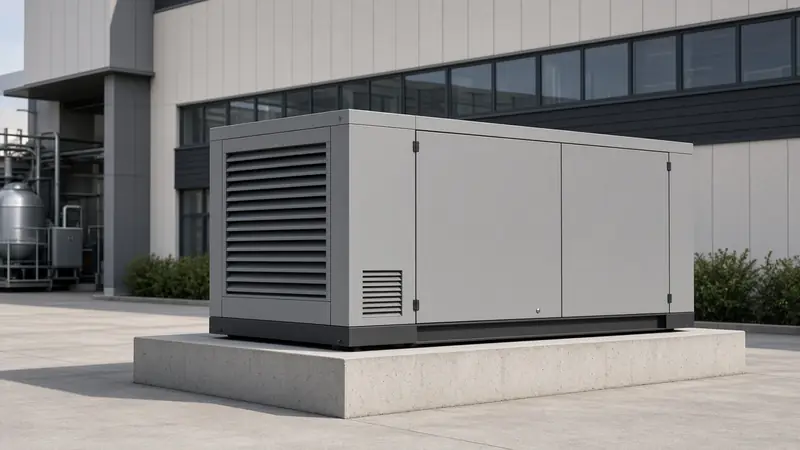
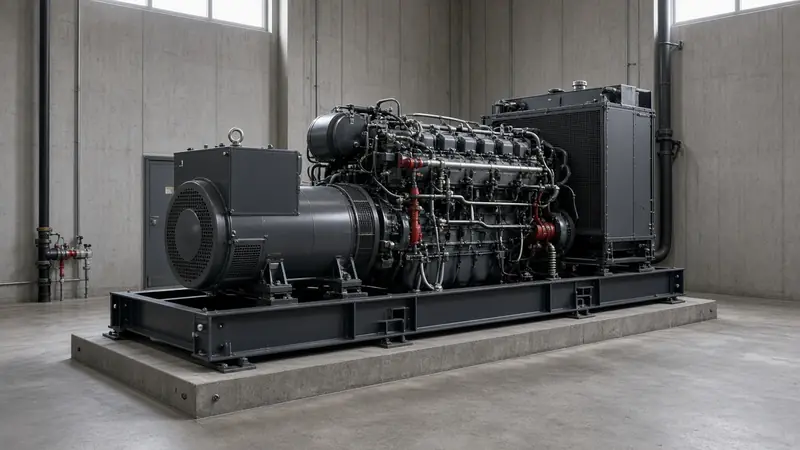
An open generator suits a ventilated engine room; a silent generator with an acoustic canopy suits open-air installation near people. Add an AMF panel if the set should start automatically on mains failure.
Not sure? Send us your load list or a photo of your electricity bill and we will suggest a rating and compare generator brands for you.